


I’m a big fan of a one pot dinner. I love the simplicity of this nourishing pea and potato curry. Ayurvedically peas and potatoes are Vata balancing, so great for those vata dominant folk or during vata season. Although I love this curry any time of the year, topped with loads of fresh coriander.

Ingredients
(serves 4 with rice or naan bread or 2 if you want to keep it super simple)
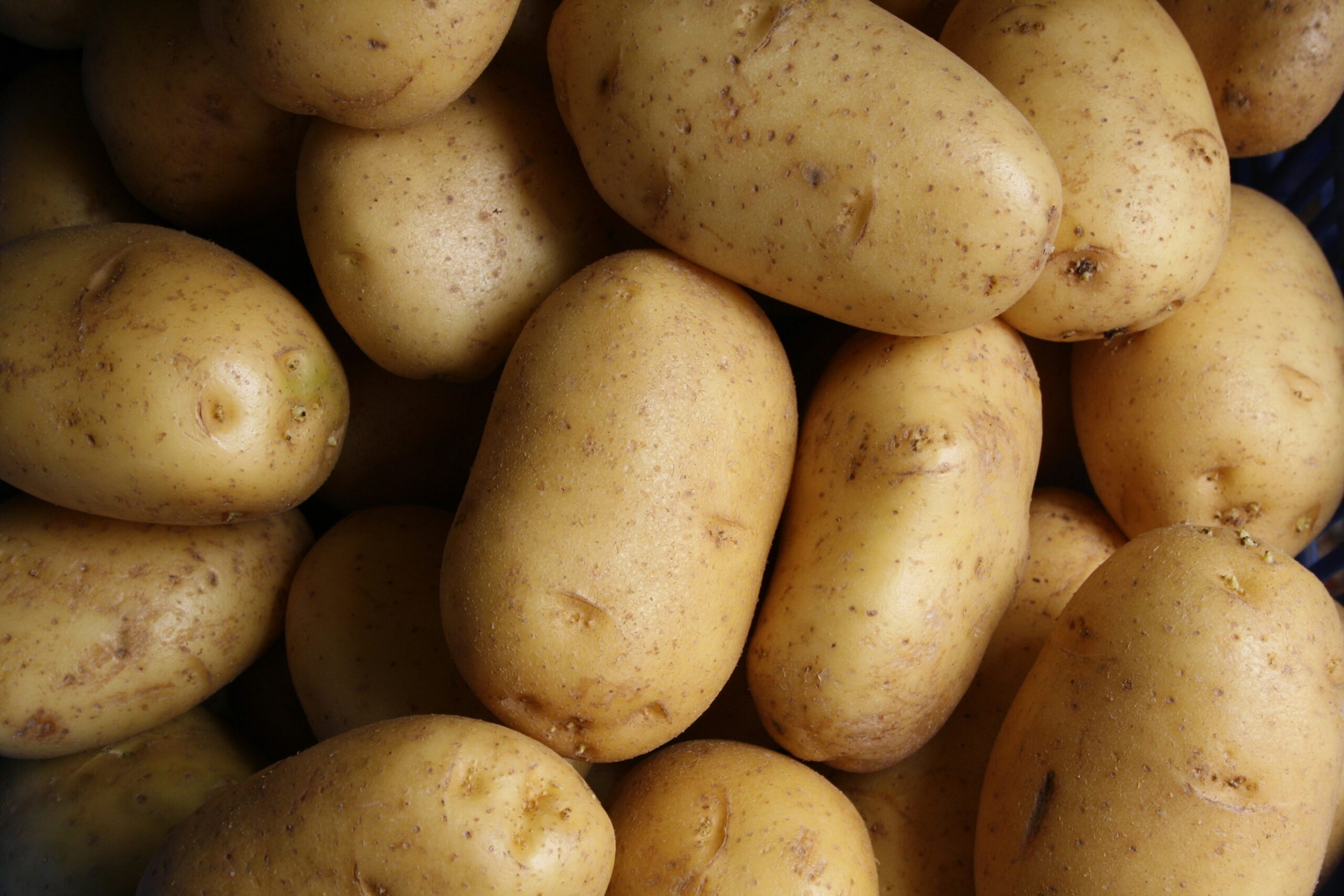
- 3 medium potatoes, peeled and cubed
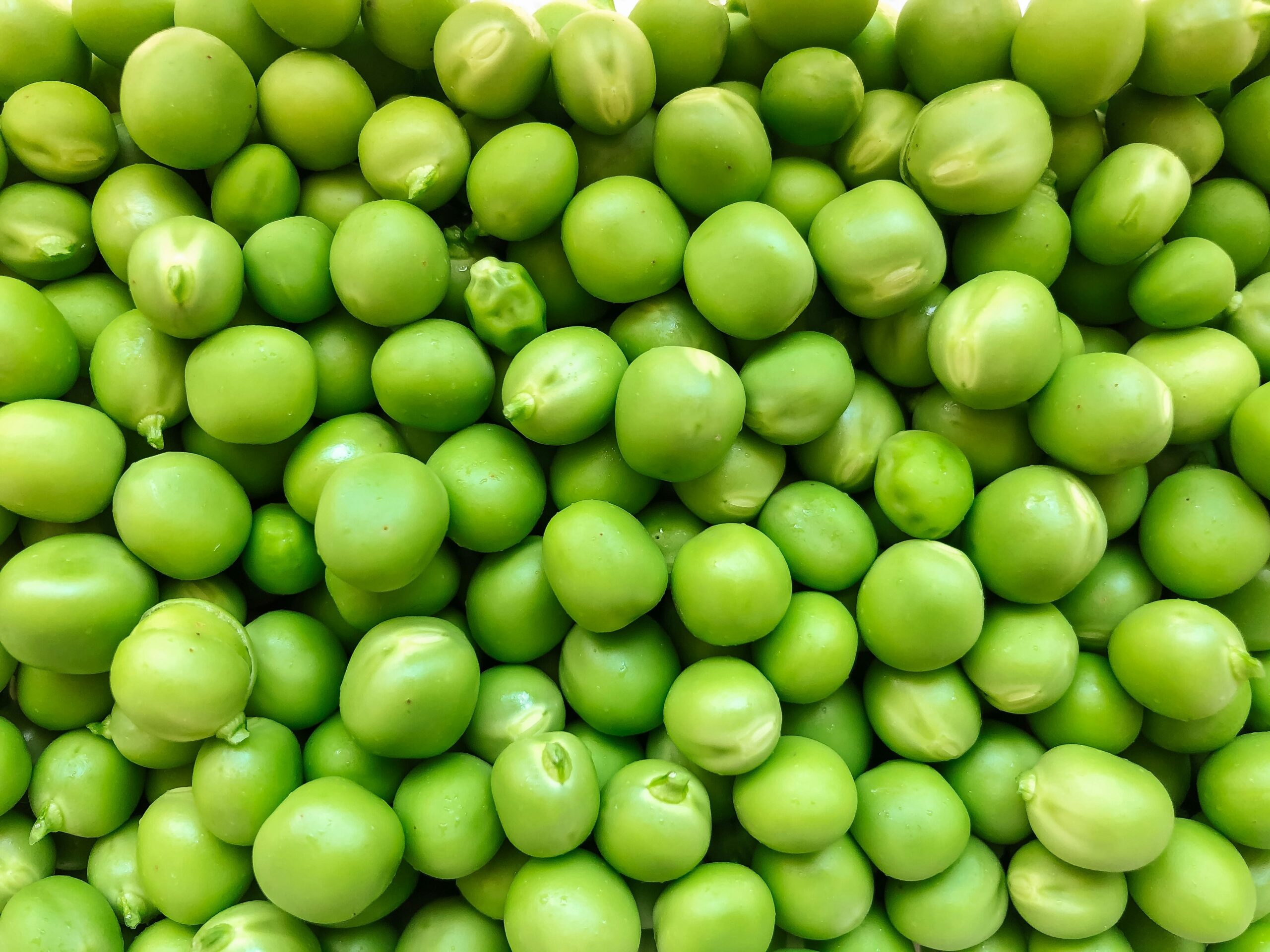
- 2 cup green peas (fresh or frozen)
- 1 tablespoon ghee (clarified butter) or coconut oil
- 1 teaspoon cumin seeds
- 1 teaspoon mustard seeds
- 1 teaspoon turmeric powder
- 1 teaspoon ground coriander
- 1 teaspoon garam masala
- 1/2 teaspoon cumin powder
- 1/2 teaspoon ginger powder (or 1 tablespoon fresh ginger, grated)
- 1/2 teaspoon salt (or to taste)
- 1/2 teaspoon black pepper
- 1 small onion, finely chopped
- 2 tomatoes, chopped (or 1/2 cup canned crushed tomatoes)
- 1/4 cup fresh cilantro (coriander) leaves, chopped (for garnish)
- 1 cup water or vegetable broth
- Optional: 1/2 teaspoon asafoetida (hing) for digestion
Method
Prepare the Ingredients:
- Peel and chop the potatoes into cubes.
- Chop the onions and tomatoes.
- If using fresh peas, rinse them. If using frozen peas, set them aside.
Temper the Spices:
- Heat ghee or coconut oil in a large pan over medium heat.
- Add cumin seeds and mustard seeds to the hot oil. Allow them to splutter for a few seconds (this releases their aroma).
- Add the ground ginger (or fresh ginger), turmeric powder, cumin powder, coriander powder, and asafoetida (optional). Stir for about 30 seconds to allow the spices to bloom.
Sauté the Onions:
- Add the chopped onions to the pan. Sauté until the onions are golden and softened (about 5 minutes).
Cook the Tomatoes:
- Add the chopped tomatoes and cook for another 3–4 minutes, until the tomatoes break down and soften.
Add Potatoes and Peas:
- Add the cubed potatoes and peas to the pan. Stir everything together, coating the vegetables in the spices.
Add Water or Broth:
- Pour in the water or vegetable broth. Stir everything together and bring to a gentle boil.
Simmer:
- Lower the heat, cover the pan, and let it simmer for about 15–20 minutes or until the potatoes are tender and cooked through. You may need to add a bit more water if the curry thickens too much.
Final Seasoning:
- Once the potatoes are tender, taste and adjust the seasoning with salt and pepper. Add garam masala for the final flavor boost and mix well.
- Garnish and Serve:
- Garnish with fresh coriander or mint leaves.
- Serve hot with rice, quinoa, or your favorite naan bread.
Ayurvedic Notes:
- This curry is grounding and soothing, perfect for balancing Vata dosha (air and ether elements).
- The spices like ginger, cumin, and turmeric aid digestion and balance Kapha (water and earth elements).
- The peas and potatoes are easy to digest and provide comfort, making this dish ideal for a simple meal.
Enjoy your nourishing Ayurvedic curry!
Read on if you want to learn more about peas and potatoes from an Ayurvedic nutrition point of view.
In Ayurveda, green peas are considered a beneficial food for balancing both the vata and pitta doshas, making them an ideal choice for individuals with these constitutional types. Due to their light and easily digestible nature, green peas are thought to improve the function of the digestive system, promoting smoother digestion and the efficient absorption of nutrients. Additionally, green peas are known to reduce appetite, which can be particularly helpful in managing overeating or cravings. They are also highly regarded for their ability to relieve nausea and support overall gastrointestinal health, providing a gentle remedy for digestive discomfort.
Green peas are believed to possess anti-inflammatory properties, which can help reduce inflammation in the body, promoting a sense of comfort and well-being. This makes them an excellent choice for those experiencing conditions related to excess heat or irritation, such as inflammation in the digestive tract or joints. Furthermore, green peas have an alkalizing effect on the body, which is beneficial for maintaining a balanced pH level. By helping to neutralize acidity in the body, green peas assist in creating an environment where optimal health can thrive, especially for those who are prone to pitta imbalances, which are often associated with excess acidity and inflammation.
Overall, green peas are a nutrient-dense, versatile food that supports digestion, reduces excess heat, and helps balance the body’s pH, making them an essential part of an Ayurvedic diet for those seeking harmony in their dosha and improved digestive health.
In Ayurveda, potatoes are considered a grounding and nourishing food, making them particularly beneficial for individuals with vata dosha imbalances. Due to their heavy and stabilizing qualities, potatoes help to calm excess air and space (vata) in the body, promoting a sense of balance and support. They are also a great choice for individuals with pitta dosha, as their cooling and soothing nature helps to counteract the excess heat associated with this dosha. Potatoes are rich in carbohydrates and provide long-lasting energy, which is ideal for those seeking to maintain stable blood sugar levels throughout the day.
Known for their mild and easily digestible properties, potatoes are gentle on the digestive system, making them suitable for individuals with sensitive stomachs or digestive issues. They are also said to help soothe inflammation in the body, offering relief from conditions that involve excess heat, irritation, or discomfort, such as heartburn or gastritis. Additionally, potatoes have a natural ability to absorb and balance the body’s excess acids, promoting a more neutral pH and aiding in digestion.
Potatoes are also packed with essential nutrients such as potassium, which helps maintain proper fluid balance and supports the function of muscles and nerves. In Ayurveda, the alkalizing and anti-inflammatory properties of potatoes make them an excellent food choice for promoting overall health and stability, particularly when aiming to balance vata and pitta doshas. Their comforting and satiating qualities make them a wonderful addition to an Ayurvedic diet, helping to nourish both body and mind while supporting digestive and metabolic health.
This satisfying potato and pea curry is the perfect dish for vata/ pitta type or makes a great winter warmer dinner during the vata season on aggravation