

Ayurveda, the ancient system of medicine from India, offers a holistic approach to health and well-being. Unlike conventional medicine that often targets specific symptoms, Ayurveda looks at the individual as a whole — body, mind, and spirit. If you’re considering an Ayurvedic consultation, you might be wondering what to expect. In this guide, we’ll break down the process step by step, explaining how an Ayurvedic practitioner works with you to develop a personalized wellness plan.
1. Introduction to Ayurveda and Your Wellness Goals
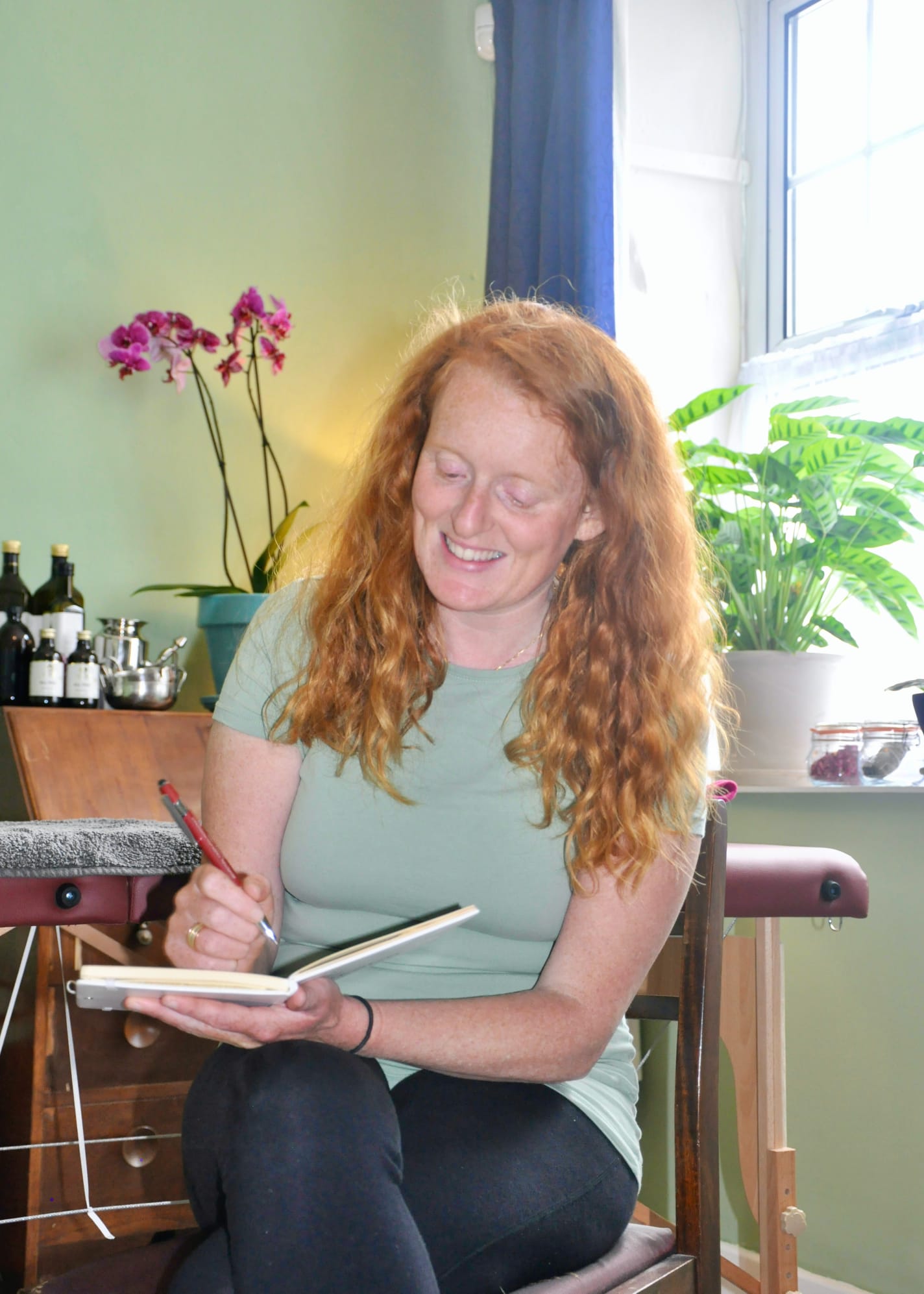
At the beginning of an Ayurvedic consultation, after an initial intake form, I’ll spend some time explaining the fundamentals of Ayurveda. Ayurveda is based on the concept of balancing the three doshas (Vata, Pitta, and Kapha), which are energies that govern our physical and mental processes. These doshas are influenced by factors like diet, lifestyle, environment, and emotions, as well as time of life and season.
We will also discuss your wellness goals. Whether you’re looking to improve digestion, manage stress, increase energy, or address specific health concerns, this conversation sets the stage for crafting a personalized plan. Be prepared to discuss your health history, lifestyle, emotional well-being, and any current challenges you’re facing.
2. Detailed Health and Lifestyle Assessment
One of the core elements of an Ayurvedic consultation is a thorough assessment of your overall health and lifestyle. I may ask you a range of questions, such as:
Diet: What do you eat on a typical day? Do you have any food sensitivities or allergies? How do you feel before and after eating?
Sleep patterns: How is your sleep quality? Do you have trouble falling asleep or staying asleep? What is your sleep routine if any?
Energy levels: How do you feel throughout the day? Do you experience fatigue or have trouble staying energized?
Digestion: Do you experience bloating, constipation, or other digestive issues?
Emotional state: How do you manage stress? Do you feel anxious, calm, or overwhelmed?
Exercise and physical activity: What type of exercise do you do, and how often?
I will also ask about your family medical history, existing conditions, and any treatments or medications you are currently using. All of this information helps the practitioner assess your unique health profile.
I think of this segment of the consultation as the ins and outs, we discuss what goes in and out of your body.
3. Pulse Diagnosis and Physical Examination
One of the most distinctive aspects of Ayurveda is the use of pulse diagnosis. I will check your pulse by feeling one or both wrists. This is to assess the rhythm, strength, and quality of your pulse to gain insight into your dosha balance. This ancient diagnostic method can reveal important details about your health, such as whether there are any imbalances in your body.
In addition to pulse diagnosis, I may conduct a physical examination. This can include checking your skin, tongue, and eyes for signs of imbalance. For example, the appearance of your tongue can reveal information about your digestive health, while the condition of your skin may indicate whether your Pitta dosha (associated with heat and metabolism) is out of balance.
4. Identifying Your Dosha and Imbalances
After gathering detailed information about your health and performing diagnostic tests, the practitioner will likely identify your dominant dosha(s). Most people have a primary dosha that is dominant, but others may have a mix of two or even three doshas. Knowing your dosha is key to understanding your unique constitution and any imbalances you may have.
For example:
Vata (air and space): People with a dominant Vata dosha tend to be creative, energetic, and quick-moving, but they may also experience dryness, anxiety, and irregular digestion.
Pitta (fire and water): Those with a Pitta dominance are often assertive, focused, and determined, but they may struggle with inflammation, irritability, and digestive issues like acid reflux.
Kapha (earth and water): Individuals with a dominant Kapha dosha tend to be calm, nurturing, and stable, but they may also experience weight gain, sluggishness, and congestion.
The practitioner will identify any imbalances in your doshas and explain how these may be affecting your physical and emotional health.
5. Creating a Personalized Wellness Plan
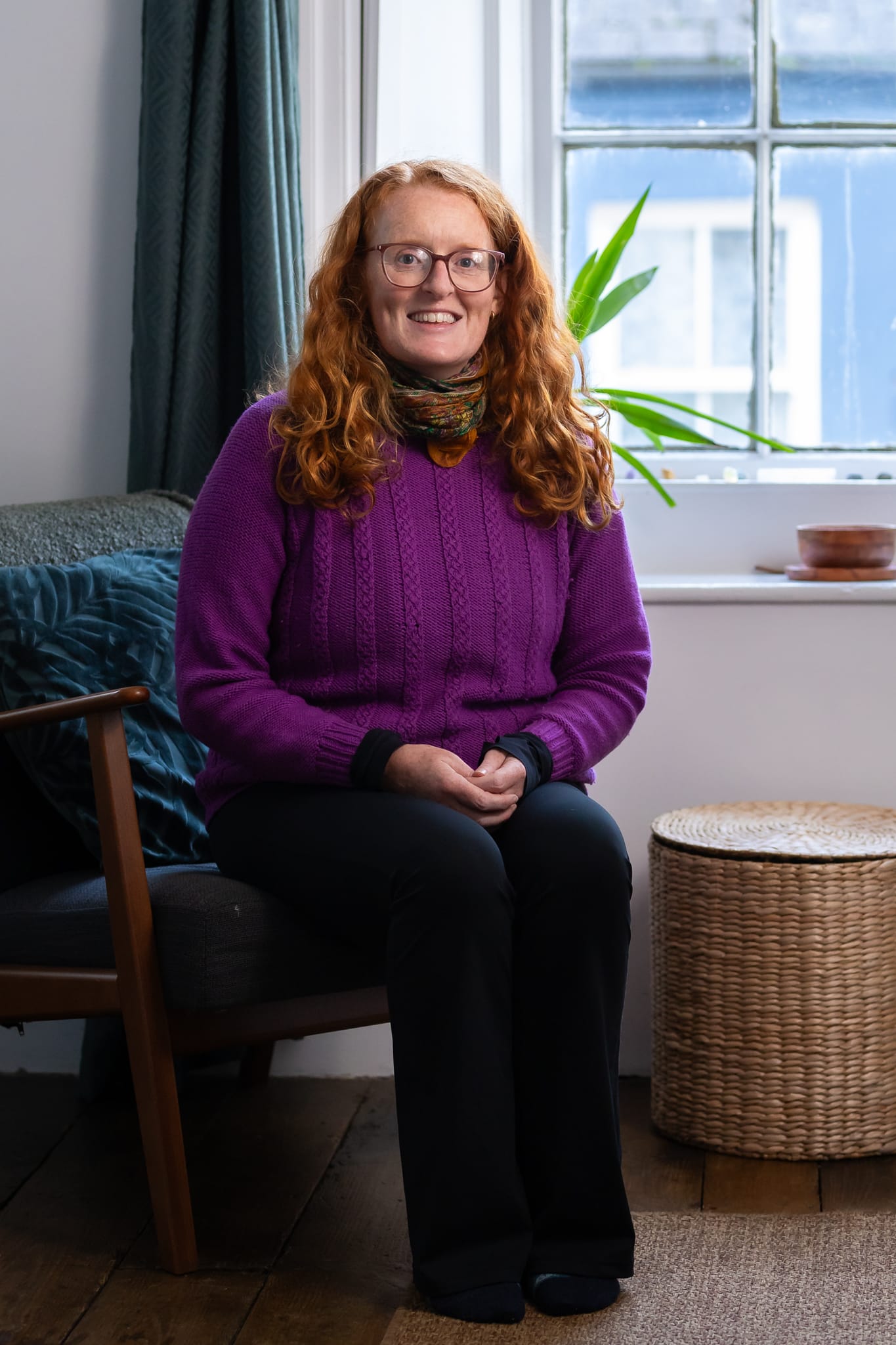
After evaluating your dosha, lifestyle, and health history, I will work with you to develop a personalized wellness plan. This plan is tailored specifically to your unique constitution, health concerns, and goals. A typical Ayurvedic plan may include:
Dietary Recommendations: Ayurveda emphasizes the importance of eating foods that balance your dosha. For example, a Vata person may be advised to eat warm, grounding foods, while a Pitta person may be encouraged to focus on cooling foods.
Herbal Supplements: Ayurvedic herbs are often used to support health and restore balance. I may recommend specific herbs or formulations to address your health concerns.
Lifestyle and Daily Routine: Ayurveda places a strong emphasis on creating a balanced daily routine, or dinacharya. This may include recommendations for when to wake up, when to eat, when to exercise, and when to rest.
Mind-Body Practices: Ayurveda also incorporates practices like meditation, yoga, and breathing exercises to promote mental clarity and emotional balance. The practitioner may suggest specific practices that resonate with your unique needs.
Seasonal Adjustments: Since Ayurveda is based on the rhythms of nature, the practitioner may also advise adjusting your lifestyle or diet according to the changing seasons to keep your doshas in balance.
6. Follow-Up and Continued Assessment
Ayurvedic consultations are often part of a long-term wellness journey. After your initial consultation, I am available to answer any questions you may have regarding your treatment plan and progress. After a 3 month period, if I haven’t heard from you, I will reach out to schedule follow-up appointments to monitor your progress and make adjustments to your plan as needed. Ayurveda encourages a gradual, sustainable approach to healing, so changes in your diet or lifestyle might take time to show results.
During follow-up visits, we will assess how well your dosha balance is being maintained and make recommendations to address any new challenges or imbalances that may arise.
7. Why Ayurveda Works
What sets Ayurveda apart from other wellness systems is its emphasis on personalized care and the belief that every individual is unique. Ayurveda takes into account your physical body, mental state, emotional well-being, and even spiritual health to create a plan that truly suits your needs.
By identifying imbalances in your doshas and tailoring recommendations to your specific constitution, Ayurveda supports long-term wellness and holistic healing. Whether you’re dealing with chronic conditions or simply looking to enhance your overall well-being, an Ayurvedic consultation can provide valuable insight and guidance.
Conclusion
An Ayurvedic consultation is a thorough, personalized approach to health that goes beyond addressing symptoms. By focusing on your dosha, lifestyle, and overall wellness, an Ayurvedic practitioner can help you restore balance and create a wellness plan that supports your body, mind, and spirit. The journey toward better health is a process, and Ayurveda offers tools that guide you every step of the way.
If you’re ready to explore a more holistic approach to health, why not book an Ayurvedic consultation with me — it’s a transformative experience that could unlock a whole new level of well-being.
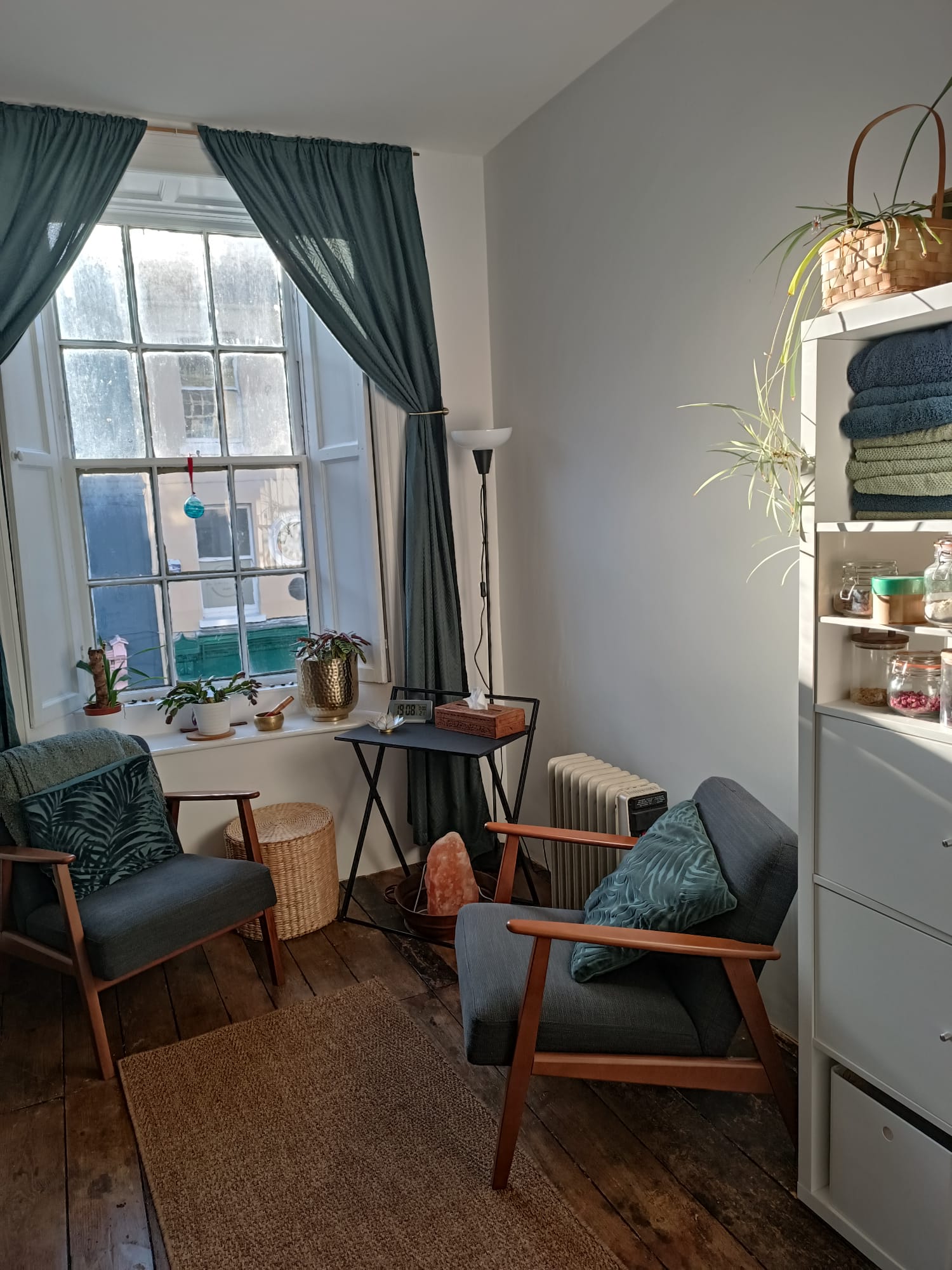
Ayurvedic consultation typically takes between 70 – 90 minutes. I offer in person consultations from The Space Above, Main St, Birr and online on request. You can schedule your consultation on my website www.yoganessireland.ie or by text to +353 87 9378856.
I look forward to working with you.
X
Nessa